

Therapy for Teens
The typical line goes that high school is supposed to be “the best time of your life.”
Yeah, right.
These years aren’t always “the best” — especially when nervous systems are overloaded. Today’s teens lived through the COVID pandemic, virtual schooling (which was great for some and horrible for others), and rapidly shifting social trends and expectations. Teens navigate academic pressure, social expectations, identity development, and a constant stream of information. They are doing all this while still learning how to understand and regulate their emotions. It’s common for teens to feel overwhelmed, misunderstood, or unsure how to put words to what they’re experiencing.
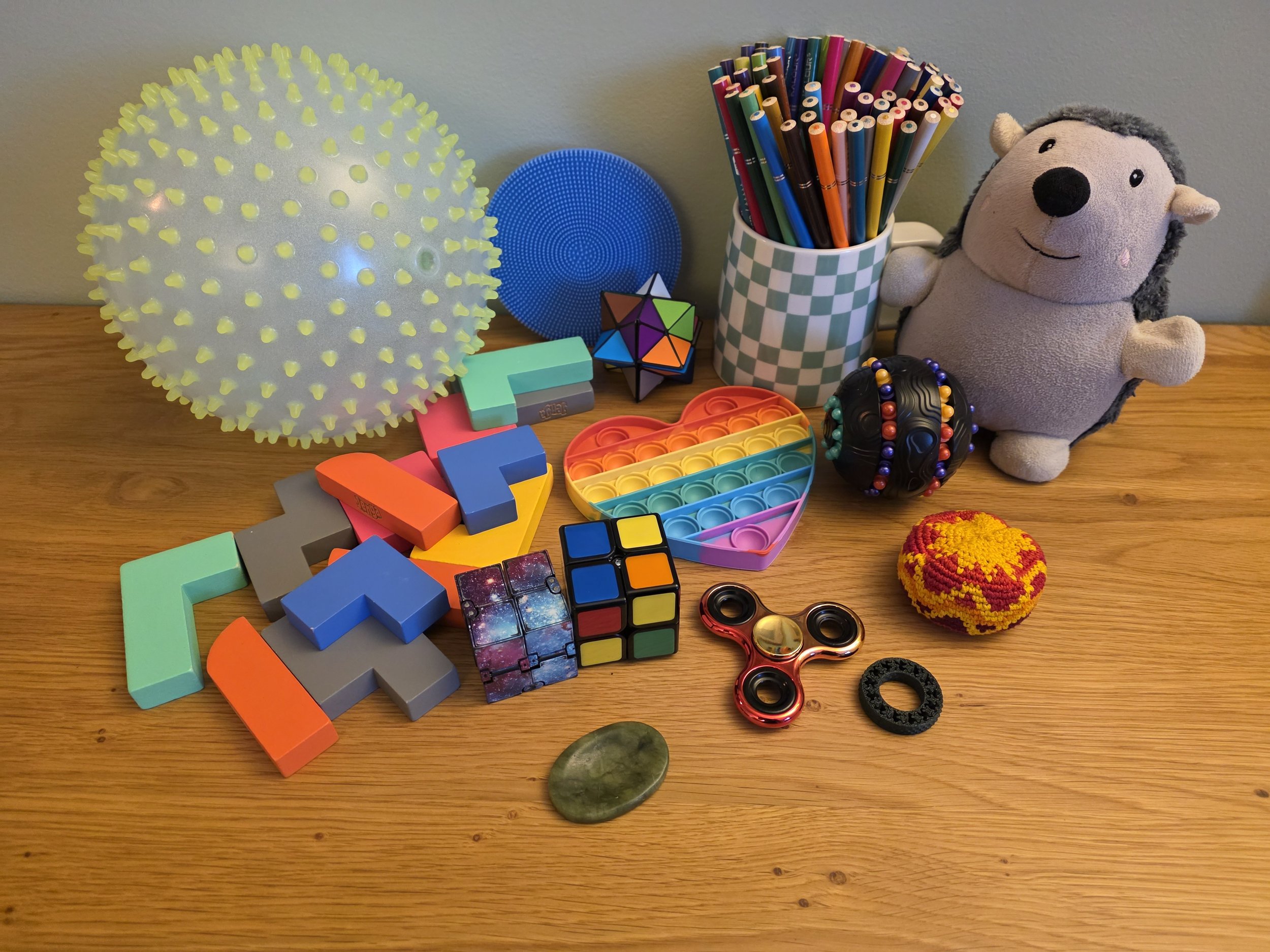
Because face-to-face talking can be intense for teens, they often choose a fidget or activity to do while talking

“Why fit in when you were born to stand out?” - Dr. Seuss
Neurodivergent teens thrive when they are supported to be their unique selves.
Learn more about my neurodiversity-affirming therapy with teens.
A Note for Parents:
I value parent involvement in the process. You know your kid best, and I appreciate your insights. I strive to balance a teen’s need for privacy with appropriate parental involvement. I’m happy to answer questions about what therapy might look like for your teen and how parents can be supportive throughout the process.
How I work with teens:
I offer a non-judgmental space where teens can get curious about themselves, build meaningful skills, and strengthen a more grounded sense of identity. I meet teens where they are and work to “look out their window” to understand their perspective.
Looking at the whole person
I focus on understanding each teen’s nervous system, strengths, and unique way of making sense of the world. When I look at your child, I don’t see them as needing to be fixed. I see their love of music, how deeply they care about the environment, the way they try so hard in math even though it takes them more time. I work to see the full picture.
The nervous system goes throughout the whole body. Autistic and ADHD teens often experience other physical and mental symptoms. Some common ones include: anxiety, mood symptoms, challenges with eating (e.g. ARFID), Ehlers-Danlos syndrome (EDS), Postural Orthostatic Tachycardia Syndrome (POTS), seizure disorders, etc. These experiences are frequently interconnected and reflect nervous system stress rather than isolated problems.
I help teens with:
Emotion regulation and overwhelm
Anxiety, stress, and feeling “on edge”
Depression, low motivation, or withdrawal
School refusal, avoidance, or academic stress
Identity exploration (including personality, gender, and sexual orientation)
Self-esteem and self-compassion
Social challenges, friendships, and peer dynamics
Boundaries, communication, and self-advocacy
Family conflict and navigating parent-teen relationships
Understanding and coping with self-harm urges or suicidal thoughts
I work collaboratively with a teen’s family, school, and other providers when helpful, while also protecting the teen’s sense of privacy and trust in the therapy space. I can also provide referrals for additional supports such as groups, psychiatric care, evaluations, or school accommodations.
Let’s work together to support your teen in feeling more understood, confident, and connected.

Falls Church City Hall
Frequently Asked Questions
How do I know if my teen needs therapy?
Teens don’t always say directly that they need support. You might notice changes in mood, withdrawal, increased anxiety, school avoidance, irritability, or shifts in sleep or motivation. Therapy can help even if things aren’t in crisis. In fact, proactive support can help many teens, such as preventing neurodivergent burnout.
What happens in teen therapy?
Therapy looks a little different for every teen. We might talk, explore patterns, build coping skills, or process specific experiences. I move at your teen’s pace and focus on helping them better understand themselves, regulate emotions, and feel more confident navigating their world. Many teens find therapy more accessible when they play a game, sit on the floor with sensory items, or move around the room instead of sitting still.
Will you tell me what my teen says in therapy?
I balance keeping parents informed with protecting your teen’s privacy. Teens need a space where they can be open and honest. I share themes, progress, and any concerns, and I involve parents more directly when it’s clinically helpful or when safety is a concern.
How involved are parents in the therapy process?
Parent involvement is important, especially for younger teens. I typically include parent check-ins as needed and collaborate with you to support your teen outside of sessions. At the same time, I work to maintain a space where your teen feels safe to express themselves independently.
What if my teen doesn’t want to come to therapy?
This is very common. I approach teens with respect and without pressure, which often helps reduce resistance over time. Sometimes we start slowly, and sometimes I support parents first in how to approach the situation. Parenting is hard, especially when your child is struggling. Parents deserve their own space and supports too. You’re welcome to reach out even if your teen is unsure.
Do you work with neurodivergent teens?
Yes. This is my specialty and passion. I take a neurodiversity-affirming approach and support teens in understanding how their brain and nervous system work, rather than trying to “fix” who they are. I accommodate each teen’s unique needs.
Do you help with self-harm or suicidal thoughts?
Yes. I support teens in building safety, understanding what’s underneath these experiences, and developing alternative ways to cope. If safety concerns are present, I work closely with both the teen and parents to ensure appropriate support.
Do you offer virtual or in-person sessions?
I offer in-person and virtual sessions for teens in my Falls Church, VA office which is accessible across Northern Virginia. I typically prefer to see teens in-person, whenever possible.
What ages do you work with?
I work with teens and adolescents ages 12 to 18. I also have training in child-centered play therapy, and I find play therapy approaches can be a helpful complement to more traditional “sit-down” talk therapy (especially for younger teens).